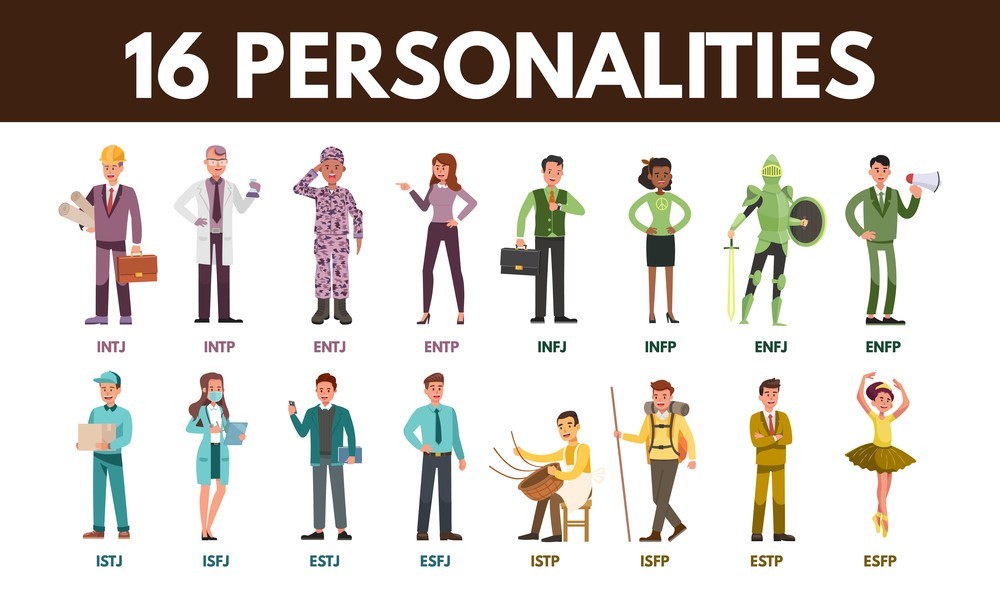
A Myers-Briggs personality takes 4 of the 8 preferences and mashes them together into one personality. The preferences are Introversion (I), Extroversion (E), Sensing (S), Intuition (N), Thinking (T), Feeling (F), Judging (J), and Feeling (F). Each of these preferences are like human instincts; they describe how you naturally function, energize, learn information, make decisions, and approach the world outside.
ISTJ:
ISTJs are quiet, serious, practical, realistic, orderly, organized, loyal, and responsible. They work towards their goals without getting distracted. When making decisions, ISTJs tend to use logical thinking over emotion and empathetic thinking. They value traditions and are successful by working thoroughly.
ISFJ:
ISFJs are quiet, friendly, responsible, committed, loyal, and considerate. They are perfectionists and thorough with their work. ISFJs remember what makes a person unique and what they value. They try to make a balanced environment, whether that’s at school/work or home.
INFJ:
INFJs are organized and orderly. They often find the purpose of their ideas, relationships, and possessions. They are committed to their values and develop visions of a better world. They are decisive when implementing their ideas and visions.
INTJ:
INTJs are independent and skeptical. They have creative minds for implementing their ideas and achieving their goals. INTJs observe patterns in their environments and develop perspectives based on their knowledge. They organize their jobs if they are committed to them.
ISTP:
ISTPs are quiet, tolerant, and efficient workers. They mostly observe situations until a problem arises, and then take control of it. ISTPs analyze how things work and find the core of practical issues. They are interested in the concept of cause and effect and organize facts using their principles.
ISFP:
ISFPs are quiet, friendly, sensitive, kind, and dislike conflict. They live in the moment and prefer to go with the flow. ISFPs like to work in their own timeframe and workspace. They are loyal to their close ones and values, but they don’t force others to follow their principles.
INFP:
INFPs are idealistic, curious, adaptable, flexible, and accepting of others. They prioritize their values and live life according to them. They are loyal to people who they find important and help them fulfill their fullest potential. INFPs support their ideas and find ways to implement them.
INTP:
INTPs are quiet, flexible, adaptable, critical, and analytical. They craft and seek logical explanations for things that appeal to them and try to find solutions to problems in their areas of interest. INTPs are theoretical and attracted to abstract ideas.
ESTP:
ESTPs are flexible, tolerant, and spontaneous. They use practical and logical solutions to solve problems. They aren’t interested in abstract ideas. They prefer to live in the moment and spend time with others. ESTPs enjoy life in comfort and style. They learn best by experience.
ESFP:
ESFPs are outgoing, friendly, flexible, spontaneous, and accepting. They love life, being around people, and material comforts. They tend to work with others to solve problems. ESFPs use common sense when exploring issues to solve and have a little fun along the way.
ENFP:
ENFPs are enthusiastic, imaginative, spontaneous, supportive, and flexible. They believe that life is full of possibilities. They make connections and patterns between external events quickly. ENFPs want others’ affirmations while giving out their own.
ENTP:
ENTPs are quick, ingenious, stimulating, alert, and outspoken. They are resourceful when solving problems. ENTPs are good at creating conceptual possibilities and analyzing them crucially. ENTPs are good at reading others. They are bored by routine and often switch hobbies and interests.
ESTJ:
ESTJs are practical, realistic, and decisive. They organize projects in order to get stuff done. They set standards and encourage others to follow them as well.
ESFJ:
ESFJs are warmhearted, conscientious, cooperative, and loyal. They strive to create a harmonious and calm environment, and they provide what others may need in their surroundings. They want appreciation for what they do.
ENFJ:
ENFJs are warm, empathetic, responsive, loyal, sociable, and responsible. They are inspiring leaders and consider emotions, needs, and motivations of others. They help others achieve their full potential and strive to increase the individual or group’s growth.
ENTJ:
ENTJs are frank, decisive, well-informed, and well-read. They want to present their ideas and fix illogical procedures and systems. ENTJs enjoy goal-setting and planning. They expand their knowledge and pass it on to others.
Myers-Briggs IRL:
Knowing your Myers-Briggs personality can speed up the process of figuring out what you plan to do in the future and how you best communicate with others. See how Myers-Briggs can help you IRL (in real life):
Careers:
Knowing your Myers-Briggs personality can help you choose the best career for you based on your preferences. For example, knowing the environments you best work in will help you choose an office with those same requirements.
Family:
By knowing your family’s Myers-Briggs personalities, you know how to best communicate with each of them and attend to their needs to improve family dynamics. For instance, if your spouse made decisions using a preference opposite to your’s, you could tap into their decision-making preference to see their point of view.
Self-Growth:
You can understand your strengths by knowing your Myers-Briggs personality, in addition to developing your skills in your opposite preferences (your stretches). For example, if you were an introvert, you would develop and enhance your extrovert or social skills.
Communication:
Let’s pretend that you were working in a team, but you didn’t know how to clearly communicate your point. By knowing your Myers-Briggs personality along with your team members’, you can get your ideas across in a way that helps your teammates understand what you are saying.
Want to find out your true Myers-Briggs personality? Go to truity.com to take a test, or simply search up “Myers-Briggs Personality Test”.